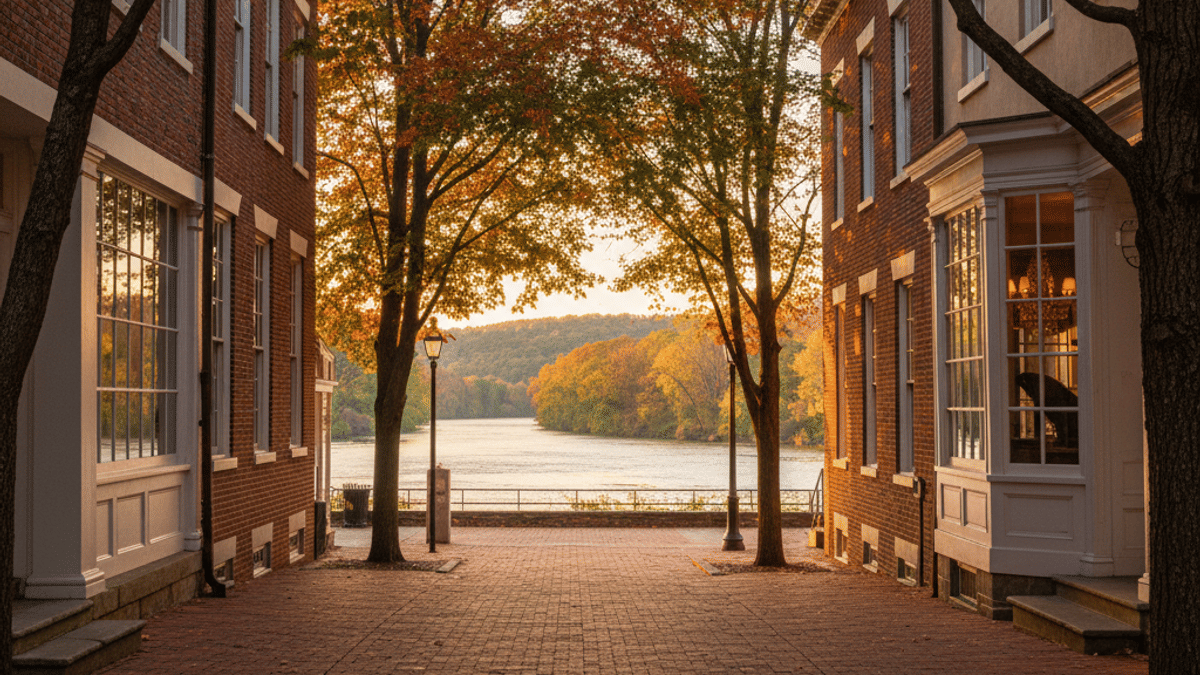
That historic, downtown energy is exactly why people ask about safety before renting in the old town, touring the campus, or shopping on Caroline Street: Fredericksburg’s crime picture is mixed, higher than some Virginia medians in certain categories, lower in others, and the story is best told by numbers plus local context.
Below is a readable, street-level tour through the official counts, what those counts mean day to day, how the city compares with nearby suburbs and national baselines, where to look for block-level details, who handles police and emergency services, and the local programs that aim to keep the downtown safe and usable.
What Is the Crime Breakdown in Fredericksburg?
Fredericksburg’s official incident tallies and the leading aggregators show the pattern most residents notice: the city logs a meaningful number of both violent and property offenses for its size, with larceny-type property thefts making up a large share of complaint volume. Aggregated five-year snapshots used by public data tools place Fredericksburg’s multi-year violent-crime and property-crime totals well above many national medians for cities of similar population. Those higher per-capita figures reflect the compact, mixed-use nature of the city — dense downtown blocks, a university, nightlife, tourists — rather than a single, pervasive safety problem.
Property crime
Most calls and reports are property-related: shoplifting, larceny, thefts from vehicles, and the occasional motor-vehicle theft. Property categories often spike with visitors and shopping weekends; downtown merchants and police both note seasonal patterns where petty thefts cluster around festivals, holiday shopping, and busy summer weekends.
Violent crime
Violent incidents — aggravated assaults, robberies, and the smaller number of rapes or worse — occur in the city but are concentrated in particular times and places. In compact cities, a handful of street-level incidents can push headline rates higher; that’s one reason the multi-year view and neighborhood granularity matter more than a single annual percent.
Other nuisance categories
Quality-of-life offenses (vandalism, disorderly conduct, public intoxication) tend to cluster near nightlife corridors or where transient activity is higher. These are often the problems neighbors notice first because they affect day-to-day comfort even when they don’t change the overall Part-One totals.
How Does Crime in Fredericksburg Compare to U.S. Averages?
On broad comparisons, Fredericksburg’s violent-crime rate sits above the national violent-crime median used in many public tools, while property-crime results vary by dataset and time window.
Nationally, recent FBI reporting and federal summaries show violent crime ticked down nationally in 2024; that national backdrop helps explain why local shifts matter less than local context — who’s affected, which blocks, and whether problems are concentrated or spread out. Use the national numbers as a backdrop, but read Fredericksburg’s local numbers geographically.
How Does Fredericksburg Compare to Nearby Areas?
Fredericksburg is an older, denser city core surrounded by suburban counties (Stafford, Spotsylvania, King George) that typically register lower per-capita incident rates. That’s a common pattern: cores with walkable downtowns, more nightlife, and higher pedestrian traffic usually show higher incident rates than the lower-density suburbs that surround them.
In short: expect Fredericksburg’s per-capita numbers to be higher than many immediate suburban neighbors, but the difference often comes down to land use (downtown commerce, campus life) rather than overall safety failure.
How to Research Crime Data for Specific Streets or Blocks
If you want block-level clarity, combine official sources with local signals:
- City crime reports & police blotter. Fredericksburg posts weekly crime reports and incident summaries that are useful for recent, local events.
- Public safety / annual reviews. The city’s Public Safety Update and year-in-review documents summarize response times, staffing, and major trends for the prior year. Those reports are useful for assessing how the city manages spikes and resources.
- Third-party heat maps (NeighborhoodScout, CrimeExplorer, etc.). These give quick per-capita maps and multi-year context — handy for spotting hot blocks — but always check methodology and the date range used.
- Campus reports. If you’ll be around the University of Mary Washington, read its annual security/Clery report for campus-specific incidents and campus safety programs.
- Local feeds. Follow the Fredericksburg Police Department’s social channels and neighborhood Facebook/Nextdoor groups for immediate, on-the-ground context and police advisories.
Practical tip: look at 3–5 year averages for the same geography (city limits, not county), then zoom into the last 90 days of incident maps for the street you care about.
Who Provides Policing and Emergency Services in Fredericksburg?
The Fredericksburg Police Department (FPD) is the primary law-enforcement agency for the 10-square-mile city. FPD patrols the downtown grid, the hospital corridor, and commercial strips; it also partners regionally with Spotsylvania and Stafford agencies for investigations that cross lines.
Fire suppression and EMS are provided by Fredericksburg Fire & Rescue with mutual-aid pacts for neighboring counties. The city also publishes a yearly public-safety review with staffing and response-time metrics if you want to check service levels.
What Community Safety Programs Are in Place?
Fredericksburg runs a suite of community safety programs for residents and businesses: neighborhood watch support, safe-exchange locations, drug-disposal boxes, and other crime-prevention initiatives run through the police department.
Downtown businesses often coordinate on shared safety measures (camera sharing, extra foot patrols on weekends), and the city has invested in license-plate reader camera grants to help track vehicle movements tied to property crime. Those kinds of programs are the practical tools that reduce repeat thefts and improve case clearance.
Fredericksburg: Street-Level FAQs
Does downtown Fredericksburg feel safe after dark?
Downtown stays active into the evening on weekends, with restaurants and bars drawing foot traffic through about 10 p.m. The city assigns extra patrols during busy nights; most violent incidents downtown are disputes between known people rather than random, stranger-on-stranger attacks. Check recent weekly crime reports if you’re planning late-night plans.
Are college areas higher in crime?
Campus crime is reported separately in the University of Mary Washington’s Clery/annual security report. On-campus incidents there are limited by comparison with the broader city totals, but streets immediately off campus see typical urban property-crime counts (vehicle larceny, theft). If you’re focused on student neighborhoods, read the campus report and the city’s block maps.
What crimes are most common in Fredericksburg?
Larceny-theft, shoplifting, and thefts from vehicles account for a large share of reports; those property categories typically make up the majority of police workload in downtown cores. Violent-crime totals are driven more by simple and aggravated assaults than by stranger-robbery spikes.
How responsive is 911 / emergency service here?
The city publishes performance metrics in its public safety update and annual dashboards; those documents are the place to check average call pickup and priority response times for the most recent year. The city uses a regional Public Safety Answering Point and coordinates mutual aid with nearby counties.
Do crime rates rise during big events or shopping weekends?
Yes — major festivals, big holiday weekends, and large downtown events raise foot traffic and, correspondingly, petty property-crime reports. The city often supplements patrols and temporary camera deployments during large events to keep incident counts manageable.
What home-security measures do locals use?
Locals commonly rely on motion lighting, camera doorbells, secure alley/garage access in historic blocks, and regular neighborhood watch communication. FPD offers security checks and community education that are worth scheduling for older homes with limited sightlines.